
Epididymitis — Malaysia Patient Guide
DTAPclinic Editorial · Information only
Published · Men's Health· Independent health education for Malaysia — not a clinic and not medical advice.
Overview
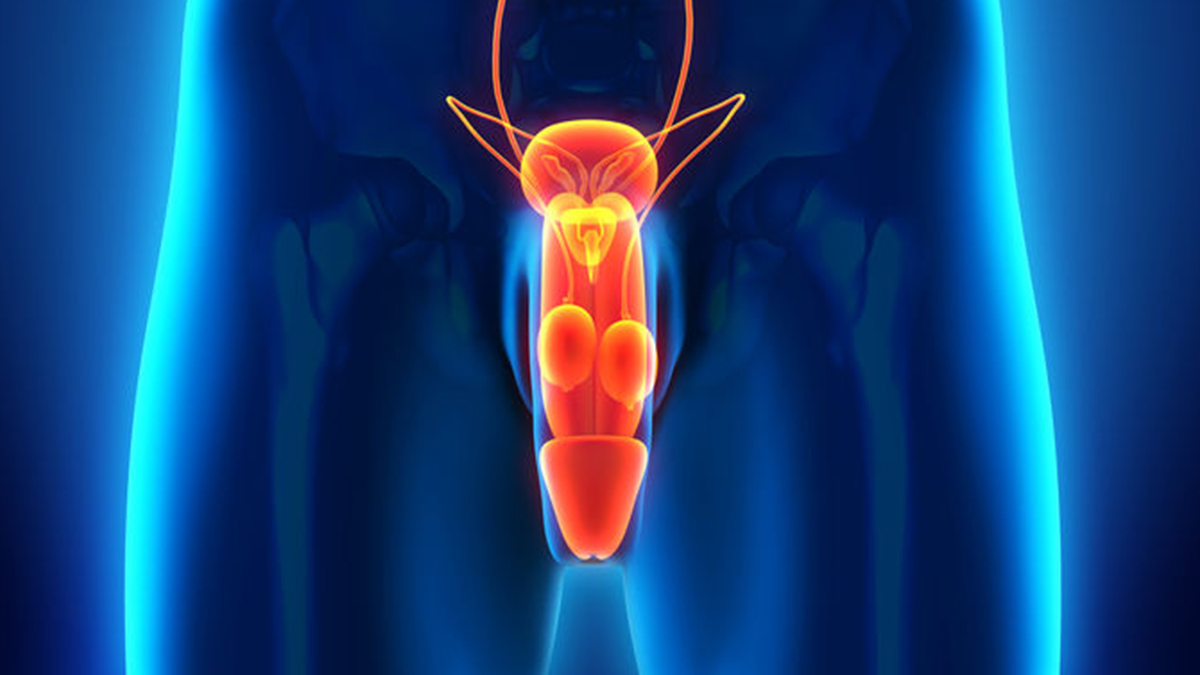
The epididymis is a ductal system behind the testis and serves as a conduit for sperm produced in the testicle to be transported into the Vas Derferens to eventually reach the urethra. Epididymitis is a condition where the epididymis becomes inflamed usually from an infection, though trauma and autoimmune disease is a possible cause.
Signs & Symptoms
Symptoms of epididymitis include localised testicular pain and swelling of the posterior aspect of the testicle. The area can sometimes be warm to touch with redness of the scrotal skin. The area will be painful when being examined with relief of the pain achieved when the area is elevated. Severity and etiology of epididymitis varies with the age of the patient. For young children presenting with testicular pain, a diagnosis of Testicular Torsion needs to be considered first, after which a mumps infection affecting the testicle needs to be ruled out. For sexually active men under 35 years of age, Gonorrhea and Chlamydia are the 2 most common organisms responsible for epididymitis. In older patients, epididymitis can occur concurrently with prostatitis especially if there is an underlying prostatic obstruction such as Benign Prostatic Hyperplasia (BPH) or recent catheterization. Rapid STD Test for Chlamydia and Gonorrhoea Most cases of epididymitis can be treated outpatient with oral non-steroidal antiinflamatory drugs (NSAIDS), local application of ice and oral antibiotics. A urine test is sometimes done to determine the organism causing the infection. Patients with epididymitis generally improve within 48 – 72 hours. If the symptoms do not abate within that period, an alternative diagnosis needs to be considered and further imaging such as a scrotal ultrasound performed.
What this means for a clinic visit in Malaysia
The epididymis is the coiled tube at the back of each testicle. When it becomes inflamed, the scrotum is sore, swollen, and sometimes red. In younger sexually active men the common infectious causes include chlamydia and gonorrhoea. In older men, urinary tract bacteria are more often involved. Trauma and, less often, autoimmune disease can also inflame the area. The label epididymitis is a description of the inflamed tube, not a single germ.
Sudden severe testicular pain is an emergency until torsion is ruled out. Torsion twists the cord that supplies the testicle and can destroy it within hours. Epididymitis usually builds over a day or more, and lifting the scrotum may ease the pain, but you cannot safely make that distinction at home. Go to an emergency department or an urgent clinic the same day if pain is abrupt, the testicle sits higher than usual, or you feel sick and vomit.
When infection is likely, clinicians often examine the scrotum, check urine, and test for chlamydia and gonorrhoea if you are sexually active. Treatment is antibiotics chosen for the likely germ, plus rest, supportive underwear, and anti-inflammatory pain relief if it is safe for you. Partners may need testing and treatment when an STI is the cause. Finish the course even if the pain fades early. Returning pain, fever, or a growing swelling needs a review, because abscess and missed torsion are both possible.
A tender epididymis is not the same as a painless lump, which should be examined for testicular cancer rather than treated as infection. Our notes on testicular self-examination describe what a routine check feels like. For STI-related cases, the STD testing guide explains urine and swab tests. This page cannot tell you which antibiotic you need.
Articles on this site are independently edited patient guides for Malaysia. They are rewritten for local readers, exclude clinic promotions, and must not be copied from other publishers.