
How Often Should Sexually Active Adults Get Tested for STDs? — Malaysia Patient Guide
DTAPclinic Editorial · Information only
Published · STD & HIV· Independent health education for Malaysia — not a clinic and not medical advice.
Overview
This independent guide from DTAPclinic covers STD and HIV testing, prevention, and clinic visit expectations for readers in Malaysia. Below we explain how often should sexually active adults get tested for stds? — malaysia patient guide in accessible language. Content is for education only and is not medical advice, diagnosis, or a substitute for care from a registered provider.
In Malaysia, STD testing is widely available, but decisions around when and how often to test can depend on your lifestyle and personal risk factors. If you’re a sexually active adult and have multiple partners, you may want to get screened regularly, every three to six months or so. If not, you may want to get checked every now and then, especially when you have a new partner, as part of maintaining your sexual health. To help you make sense of your options, we’ve prepared this guide.
What is STD Testing?
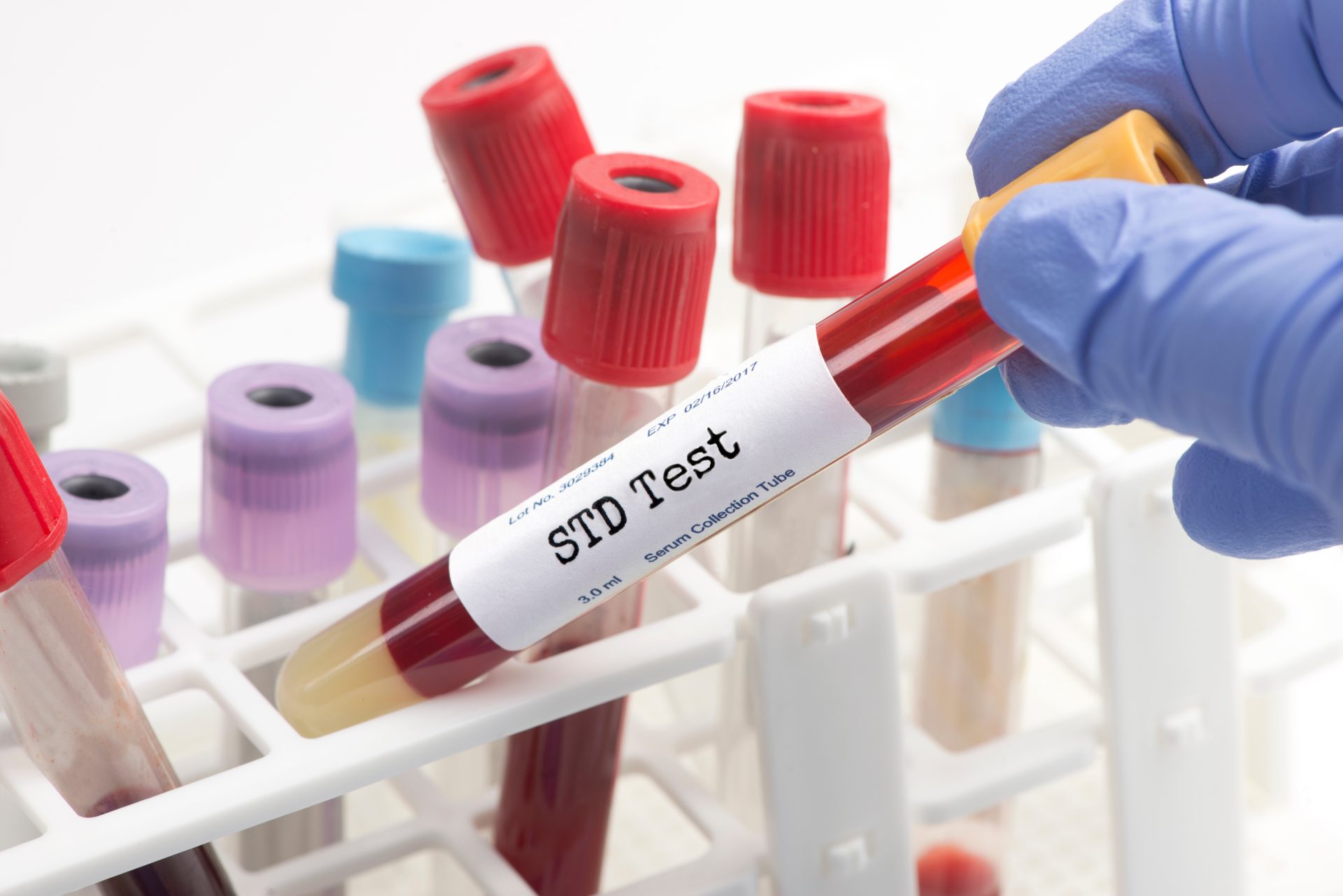
STD testing refers to a range of diagnostic tests used to detect infections that are transmitted through sexual contact. These tests may involve blood samples, urine samples, or swabs, depending on the condition being screened.
What Are the Common STDs?
Some of the more commonly tested STDs in Malaysia include: Human immunodeficiency virus (HIV) Syphilis Gonorrhoea Chlamydia Hepatitis B and C Herpes simplex virus (HSV1 and 2)
Key Symptoms vs Asymptomatic Infections
While some STDs may cause symptoms such as discharge, pain during urination, or sores, others may not present noticeable signs, especially in the early stages. Asymptomatic infections can still be transmitted to partners, which is why screening plays a role even when you feel well.
STD Testing Guidelines in Malaysia
There is no single testing schedule that applies to everyone. Recommendations are usually based on individual risk factors and sexual behaviour.
Recommended Screening Frequency for Sexually Active Adults
In general: Individuals with a single long-term partner and low risk may test less frequently Those with multiple partners may consider more regular screening, every three to six months perhaps Higher-risk individuals may require more frequent testing, depending on their circumstances
Tests Available in Malaysia (HIV, Syphilis, Gonorrhoea, Chlamydia, Hepatitis B/C)
STD screening panels in Malaysia may include: Blood tests for HIV, syphilis, Hepatitis B, Hepatitis C and Herpes simplex virus (HSV1 and 2) and hepatitis Urine tests or swabs for gonorrhoea and chlamydia, Mycoplasma/Ureaplasma and Trichomonas
When Should You Get an STD Test in Malaysia ?
There are certain situations where testing may be particularly important.
After New Sexual Partners
As mentioned above, if you have a new sexual partner, it may be advisable to get tested before or shortly after becoming sexually active together. This helps establish a baseline and reduce uncertainty.
Following Unprotected Sex or Condom Failure
When you have had unprotected sex or experienced condom failure, You may wish to get tested. Some infections have a “window period”, so timing of the test can affect accuracy.
Routine Checkups Even Without Symptoms
Even without symptoms, you may consider routine screening as part of maintaining your sexual health, especially if you have any risk factors or health conditions to watch for. Not sure where to start? Learn more about STD screening options and costs here .
Protecting Yourself and Partners
Regular testing helps you identify infections early, which can reduce your risk of passing them to partners. It also allows you to take appropriate precautions before sex.
Articles on this site are independently edited patient guides for Malaysia. They are rewritten for local readers, exclude clinic promotions, and must not be copied from other publishers.